The Invention of Normal
Normal is not natural. It is constructed, reinforced, and passed along until it feels invisible
Normal is not natural. It is constructed, reinforced, and passed along until it feels invisible. Societies decide what is acceptable and what is strange, what is valuable and what is waste, what is remembered and what is forgotten. These categories are never fixed. They shift across time, culture, and context, yet we often mistake them for truth.
What is normal to us today was once strange.
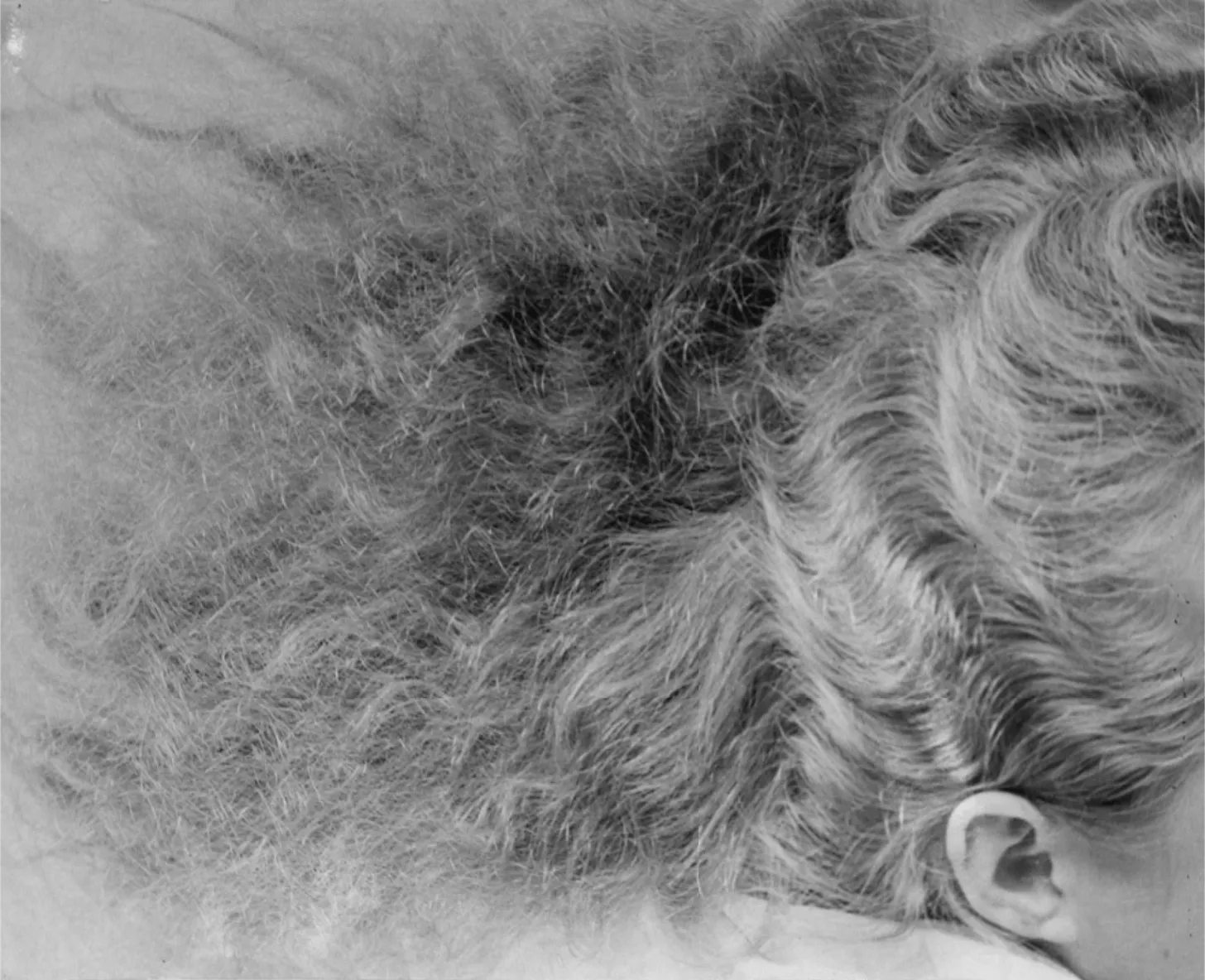
Consider human hair. Today, in most places, hair is treated as waste. We cut it, sweep it, discard it without thought. The sight of loose hair on a floor or in a drain even provokes disgust. Yet in other times and cultures, hair carried entirely different meanings. It was woven into textiles, used as currency, incorporated into ritual objects. In mourning practices, locks of hair were kept in jewelry to hold memory close. In many spiritual traditions, hair was considered a vessel of strength or sacred connection. What is strange to us today was once normal. What is normal to us today was once strange.
Normal is powerful because it shapes perception. When something is labeled normal, it escapes questioning. We accept it, often without noticing. Normal tells us to buy new clothes every season, to throw away food that has passed an arbitrary date, to treat waste as inevitable. Normal justifies systems of speed and extraction by making them feel natural. But nothing about this is natural. It is designed.
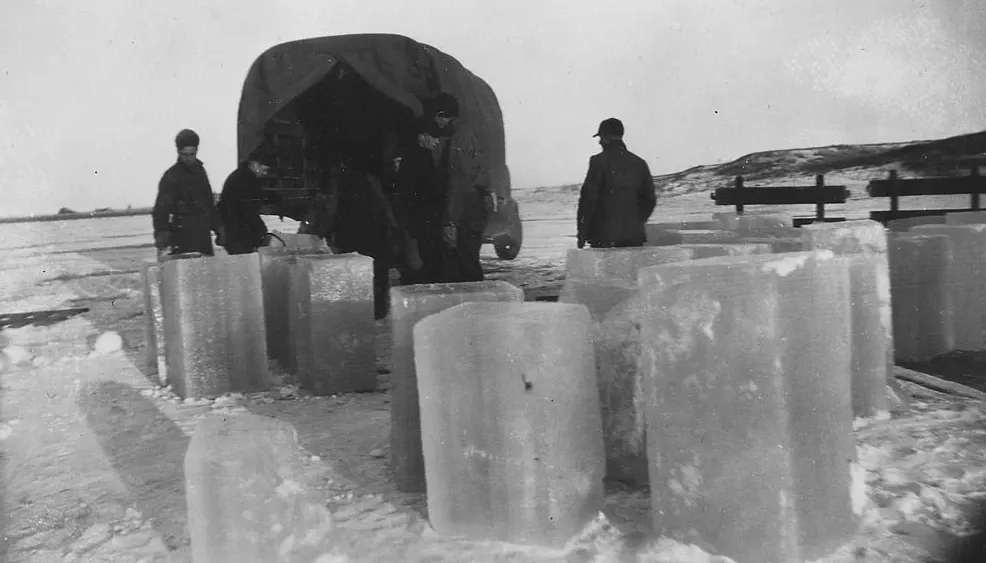
Making ice in a factory was seen as suspicious compared to blocks harvested from frozen lakes.
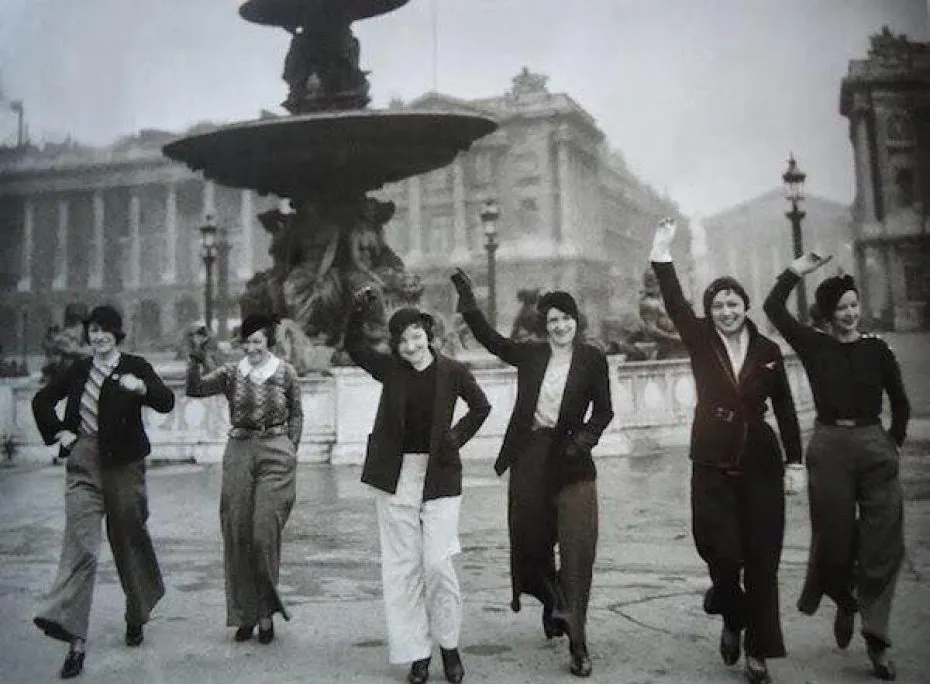
History offers countless examples of how normal shifts. Smoking indoors was once ordinary. Wearing clothes dyed with toxic chemicals was once unremarkable. Driving cars was once disruptive and unusual in cities filled with horses. Making ice in a factory was seen as suspicious compared to blocks harvested from frozen lakes. Public executions were once considered communal events. Solar panels on rooftops were once fringe and now are widely accepted. Plastic shopping bags were once symbols of modern convenience, now they are banned in many countries. Wearing secondhand clothing once carried stigma, now it signals sustainability. Women wearing trousers was scandalous, now it is expected. Each of these examples shows how norms are invented, defended, and eventually transformed.
At the same time, what is considered abnormal can hold potential for transformation. Materials like human hair, dismissed as residue, can become fiber again. Circular systems, often perceived as idealistic or impractical, can in time become the foundation of economies. The invention of normal always carries within it the possibility of reinvention.
When we say something is normal, we are really saying it is familiar, comfortable, unquestioned. But comfort can blind us to alternatives. History shows us that norms collapse and reform constantly. None of them were inevitable, and none of them were permanent.
The invention of normal asks us to pause and notice: who decides what is normal, and who benefits from that decision? What materials are cast out as waste because they do not fit a given framework? What voices or practices are silenced because they challenge dominant narratives?
We can normalize seeing value in overlooked places
If normal is invented, it can be reinvented. The way forward is not to cling to a single definition of normal but to recognize its fluidity. We can choose to expand it, to stretch it toward care, reciprocity, and regeneration. We can normalize systems that honor what already exists instead of discarding it. We can normalize seeing value in overlooked places, in materials like hair, in practices of repair, in cultures of sharing.
What feels strange today may be tomorrow’s common sense. To recognize this is to hold a responsibility: to question what we accept, to notice what we overlook, and to imagine what else could be.
Normal is not the end of the story. It is simply a chapter that can be rewritten.