What We Choose to Forget
Perhaps the question is not whether we forget, but how.
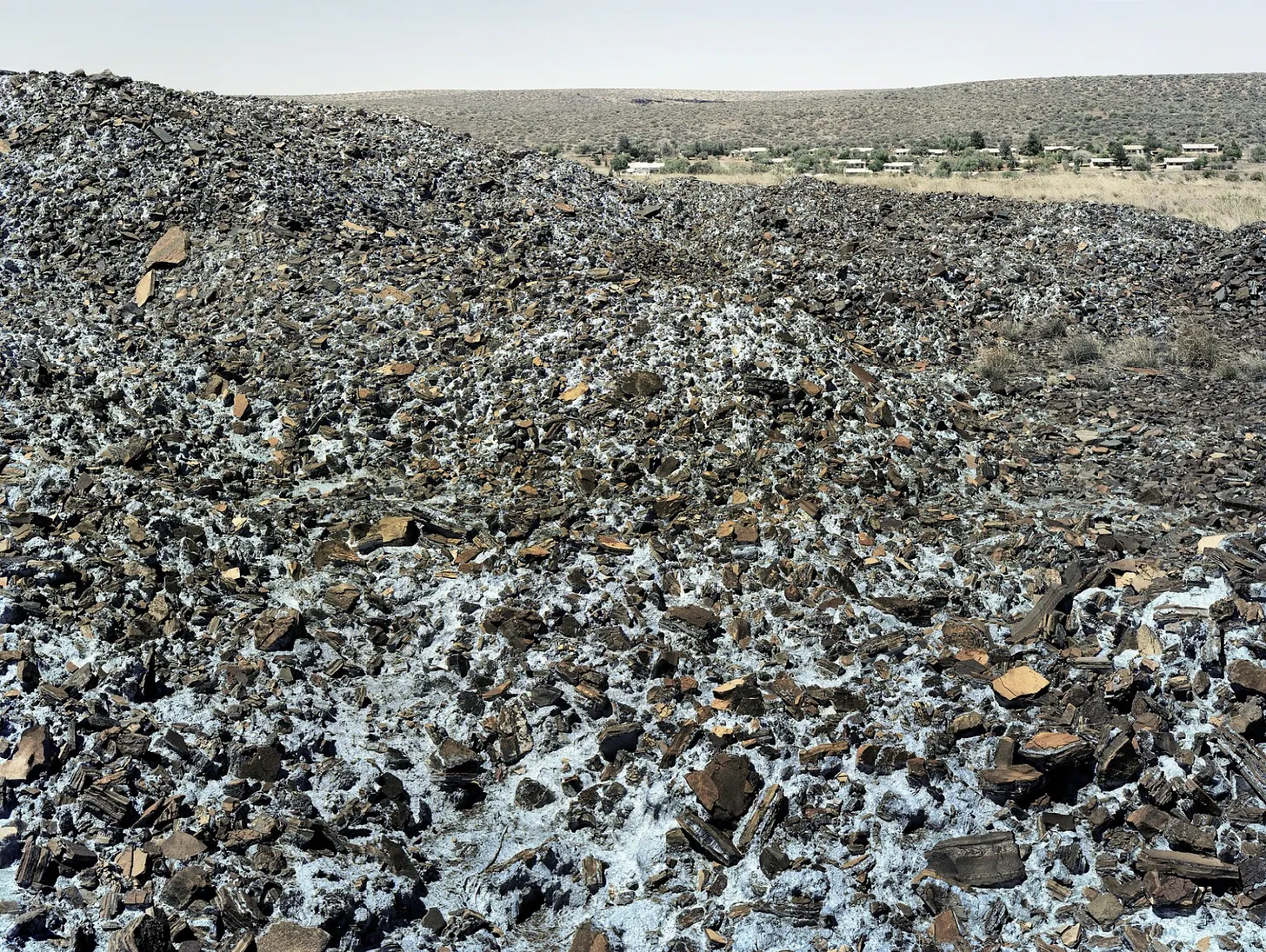
Forgetting is as designed as remembering. Every society, every system, every individual curates memory, keeping what feels useful and discarding what does not. We imagine forgetting as passive, as a natural erosion of time, but it is often deliberate. We build landfills to hide what we do not want to see, we rewrite histories to favor certain voices, we erase knowledge that threatens established power. Forgetting is not absence. It is an act.
Yet matter never vanishes. It lingers, decomposes slowly, sometimes not at all, reshaping landscapes and futures long after we stop paying attention.
Landfills are monuments to forgetting. Mountains of plastic, textiles, electronics, food scraps. Each object once carried effort, material, and meaning. When deemed no longer useful, we bury it. We treat waste as disappearance, as if it ceases to exist once it leaves our sight.
History, too, has its landfills. Whole cultures, languages, and traditions are forgotten not because they lacked value, but because remembering them would challenge dominant narratives. Colonization was not only the extraction of resources but also the enforced forgetting of indigenous knowledge systems. Scientific advances often arrive by ignoring forms of wisdom that do not fit prevailing frameworks. What is left out is as telling as what is recorded.
The pursuit of the new often requires ignoring what already exists.
Science and industry, in turn, practice forgetting in subtler ways. Fashion cycles accelerate by discarding last season’s styles, declaring them obsolete. Technology markets thrive by rendering devices unusable after a few years, pushing consumers to forget durability in favor of novelty. Progress is framed not as building upon but as replacing, a linear forgetting that blinds us to loops.
But forgetting is not always destructive. It can create space for renewal, for healing. Just as compost transforms forgotten scraps into fertile soil, we can imagine forms of forgetting that are regenerative. To release the grip of painful histories, to let certain cycles close, can be as necessary as remembering others. The challenge is to discern what kind of forgetting we practice, one that hides and denies, or one that transforms and continues.
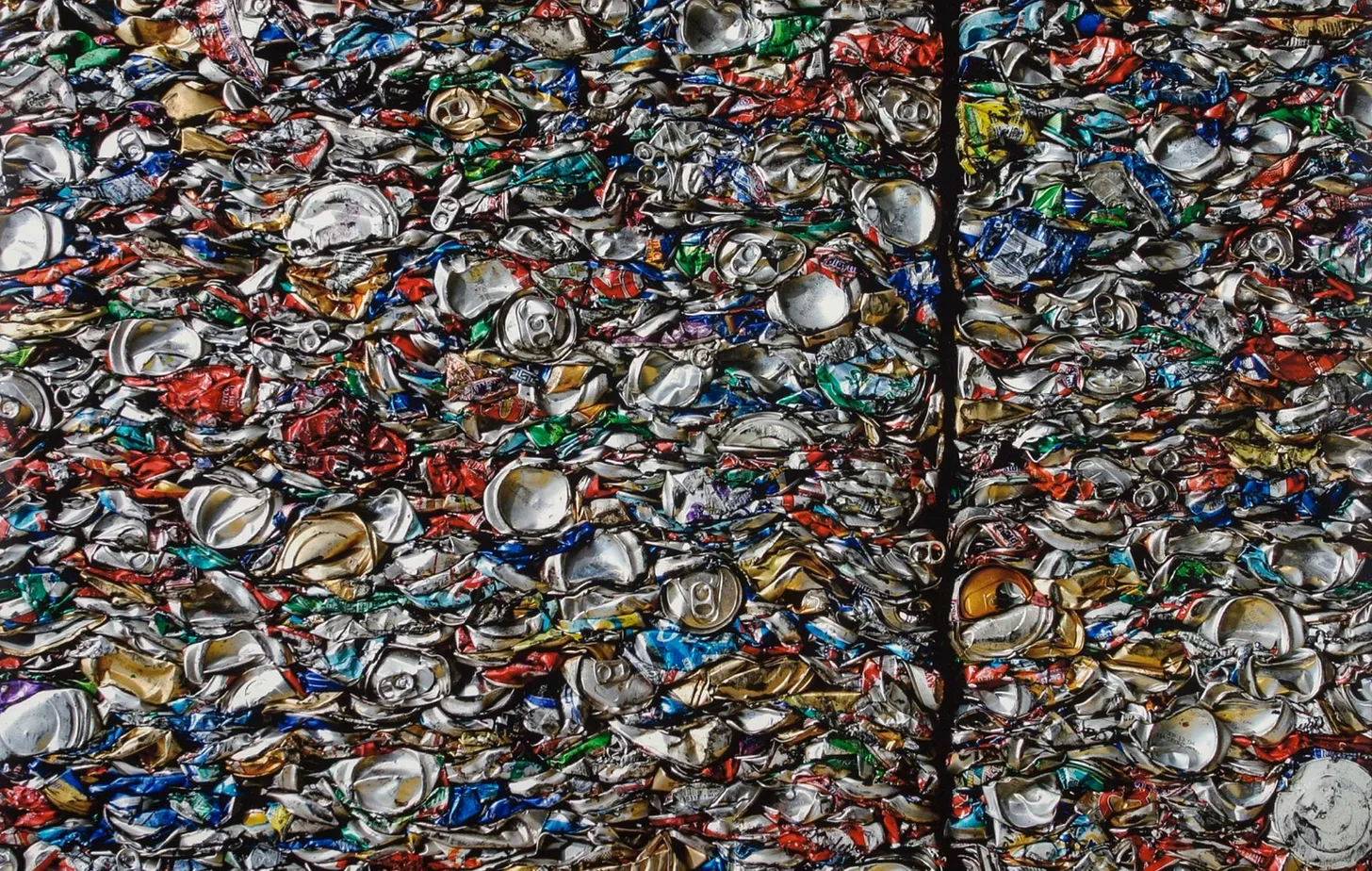
When we forget materials, hair, offcuts, broken tools, we often overlook their potential. Human Material Loop begins precisely at this threshold, asking what happens when we remember what is usually discarded. Hair, dismissed as residue, becomes fiber again. Waste reenters circulation. Remembering changes the story of matter.
We can ignore materials, or we can reimagine their roles.
Perhaps the question is not whether we forget, but how. Forgetting will always accompany remembering, but it can either sever or reconnect. We can bury waste in landfills, or we can compost it into life. We can erase cultures, or we can weave them back into shared narratives. We can ignore materials, or we can reimagine their roles.
What we choose to forget is also what we choose to shape. To design differently is to practice a different kind of memory, one that acknowledges that nothing is ever gone, only transformed.