The Aesthetics of Use
Objects are celebrated at the moment they leave production, before they have entered the friction of daily life. Yet this fixation on newness reveals a narrow understanding of worth.

Perfection is often mistaken for value. In contemporary material culture, the flawless surface, the untouched finish, the factory fresh condition all signal desirability. Objects are celebrated at the moment they leave production, before they have entered the friction of daily life. This fixation on newness reveals a narrow understanding of worth. It privileges origin over experience, appearance over relationship.
Wear, by contrast, tells a story.
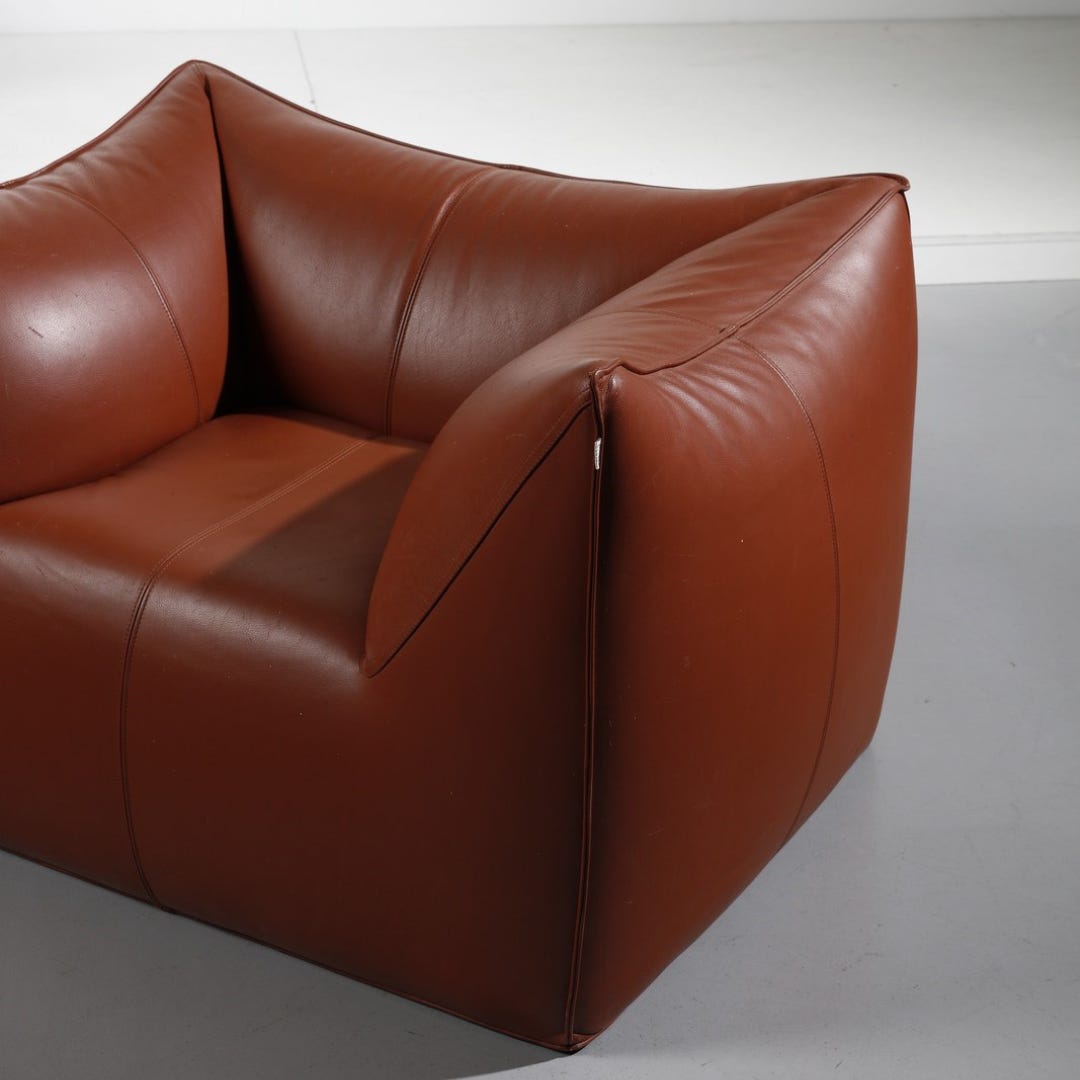
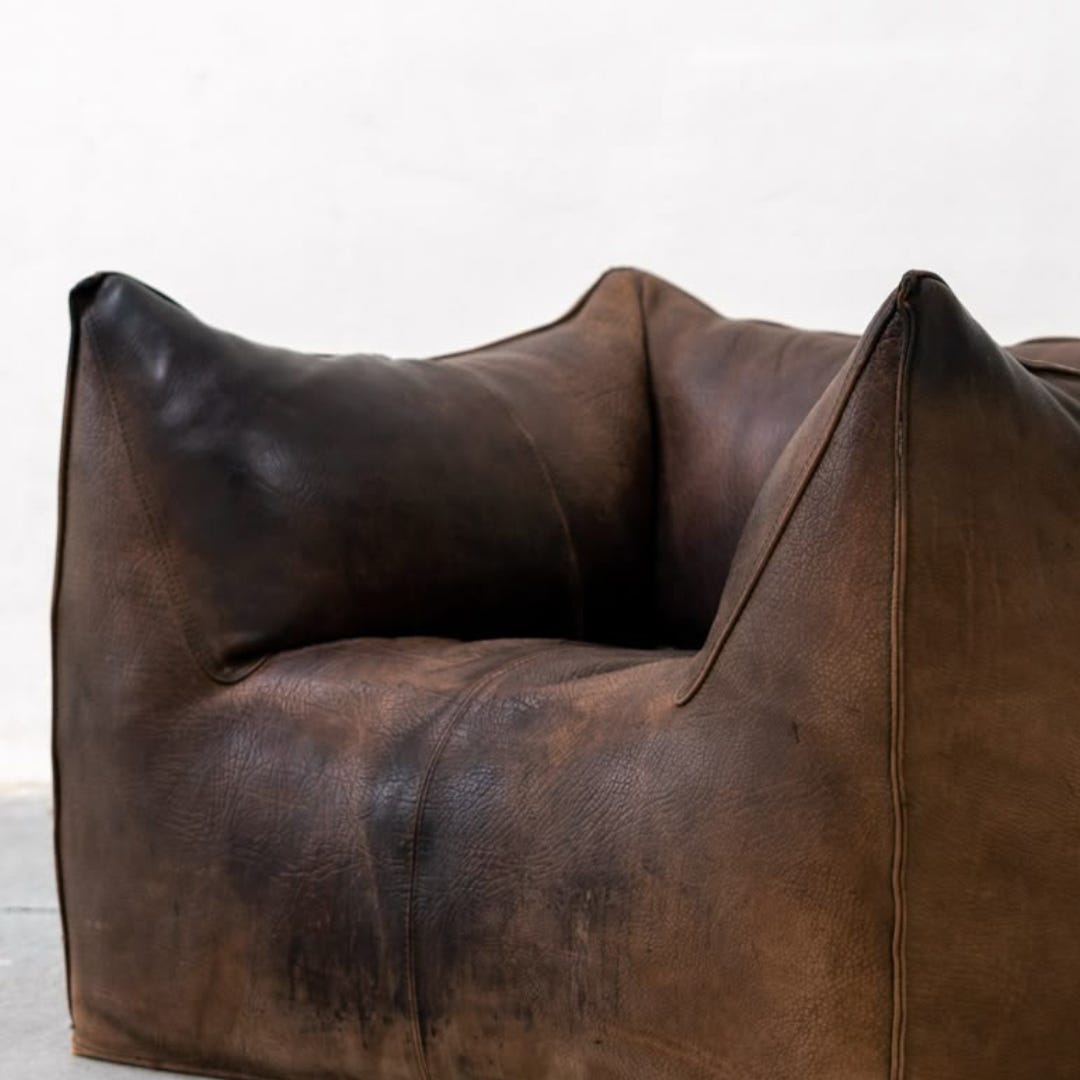
A softened leather chair, a wooden table marked by years of meals, a tool handle polished by the rhythm of a single hand, these are not diminished objects. They are enriched by contact. Their surfaces hold evidence of time, attention, and care. Where perfection implies distance, wear implies intimacy. One is admired from afar, the other is known through touch.
This shift in perspective invites a reconsideration of aesthetics. Instead of equating beauty with untouched surfaces, beauty can be located in transformation. Scratches, fading, and patina cease to be flaws.
Patina, in particular, occupies a powerful symbolic space. It is neither damage nor decoration. It is the visible outcome of sustained relationship. The darkening of brass, the deepening tone of wood, the gentle creasing of leather, these changes emerge slowly, often imperceptibly, through repeated handling. They signal that an object has not been abandoned. It has been lived with.
ACROSS CULTURES, SIGNS OF USE HAVE LONG BEEN RECOGNIZED AS MARKERS OF MEANING RATHER THAN DECLINE.
Across cultures, signs of use have long been recognized as markers of meaning rather than decline. When examined closely, each tradition carries its own vocabulary, material logic, and philosophical grounding that defines how wear is interpreted.
The philosophy of wabi sabi is rooted in Zen Buddhist thought, particularly ideas of transience and non attachment. The term combines wabi, associated with humble simplicity, and sabi, referring to the beauty that emerges with age. In tea culture, especially within the chanoyu ceremony formalized in the sixteenth century, utensils were selected not for symmetry but for expressive irregularity.
Raku ware tea bowls provide a precise example. Hand-molded rather than wheel-thrown, they often feature uneven rims, variable glaze thickness, and firing marks. Hairline cracks known as kannyu form naturally in the glaze through thermal contraction. Over years of tea preparation, tannins from matcha stain these fissures, deepening their visibility. Rather than being considered defects, these microfractures document repeated ceremonies and the presence of many hosts and guests.
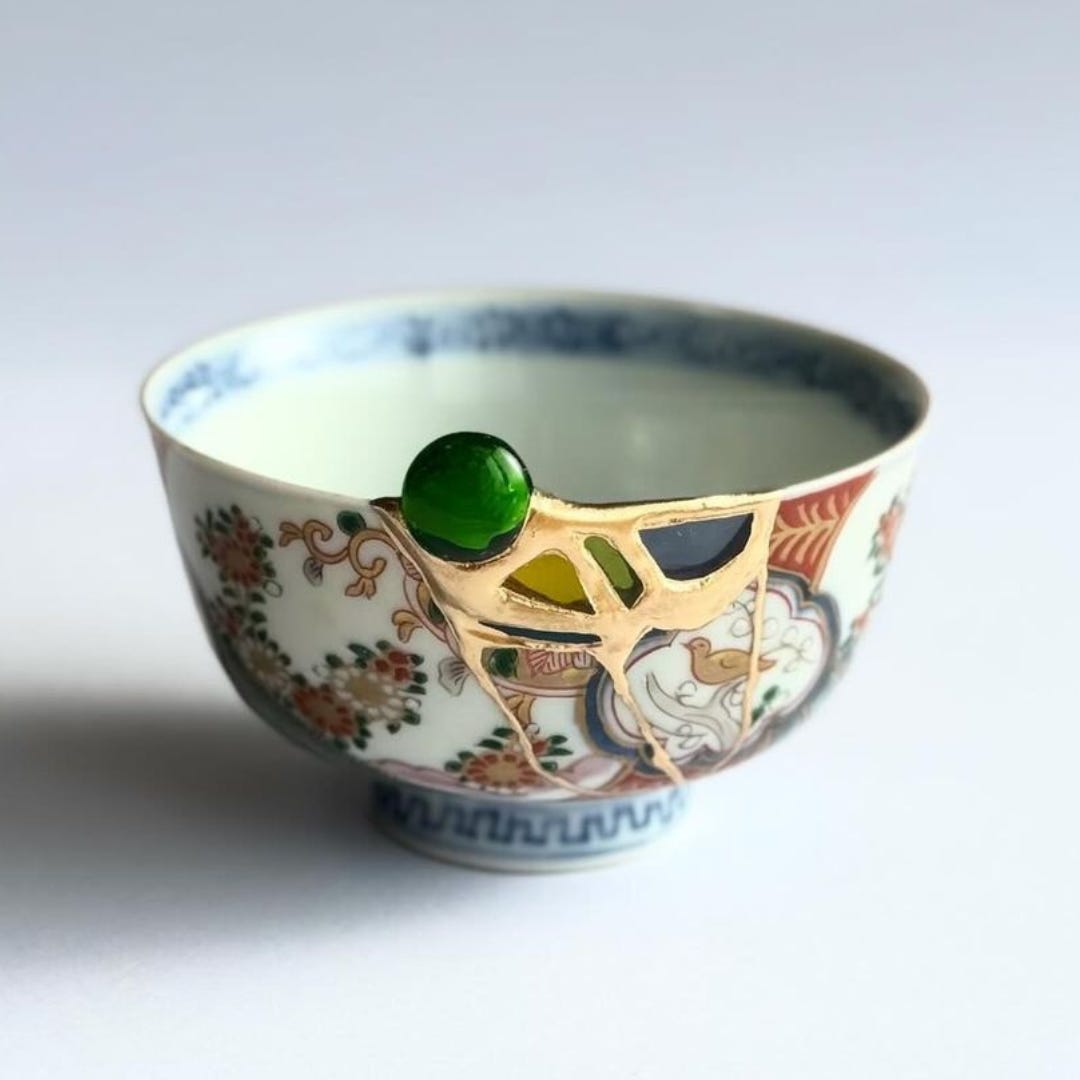
Kintsugi, literally “gold joinery,” emerged during the Muromachi period. Broken ceramics are repaired using urushi lacquer, dusted or mixed with powdered gold, silver, or platinum. The technique requires multiple curing stages in controlled humidity, making it both technically demanding and time-intensive.
Key to its meaning is the refusal of invisibility. Western restoration often seeks seamless repair, returning an object to its pre-break appearance. Kintsugi does the opposite. Fracture lines are emphasized, mapping the history of rupture and restoration. The repaired vessel becomes materially and symbolically stronger, its value increased through the labor invested in its recovery.
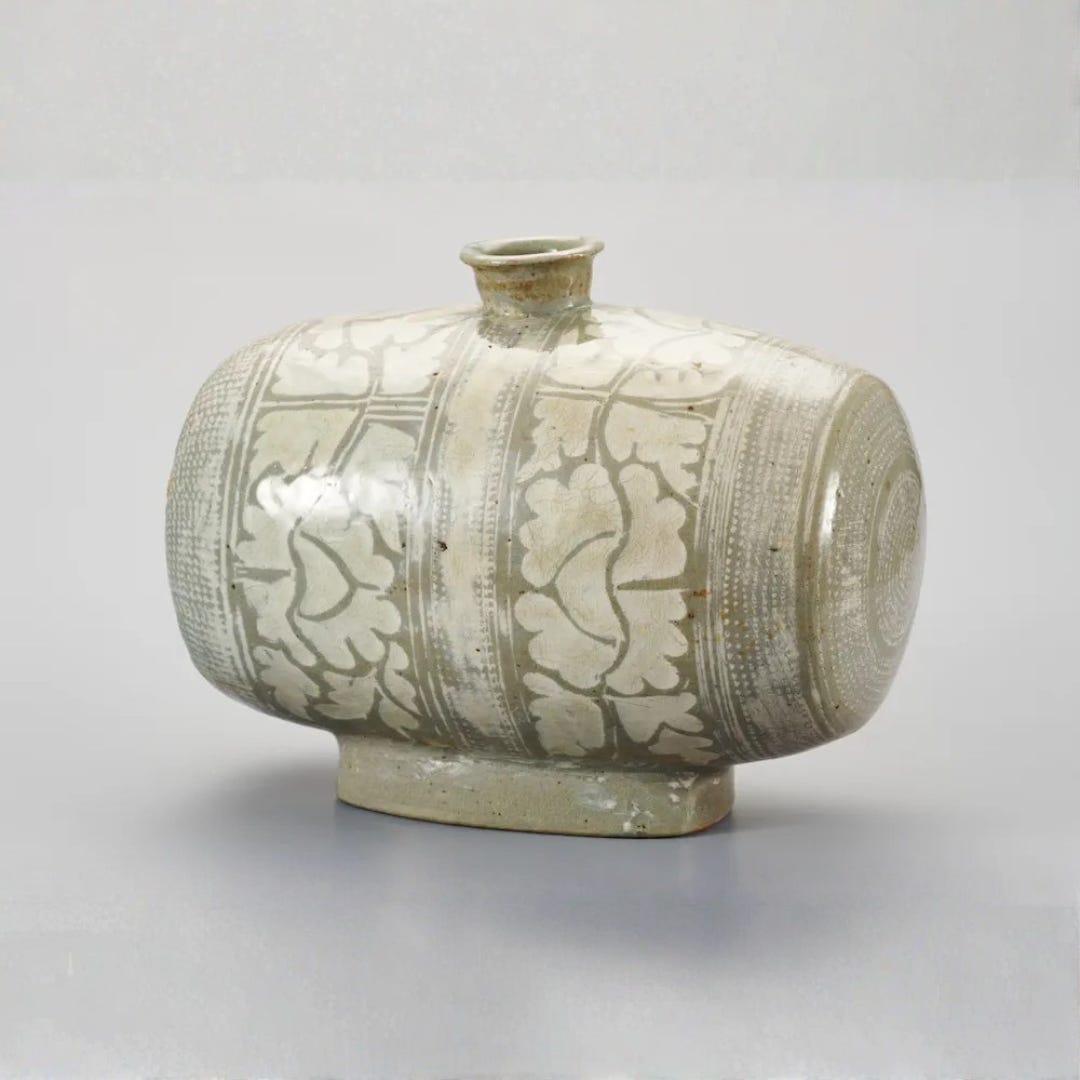
Buncheong ceramics flourished during Korea’s Joseon dynasty. Unlike the highly refined celadon that preceded it, buncheong embraced informality. Artisans applied white slip over dark clay bodies, then incised, stamped, brushed, or trailed designs before glazing.
Key surface terms include sgraffito, where patterns are carved through slip, and gwiyal, broad brush applications that leave visible strokes. These marks record the speed and pressure of the maker’s hand. With use, tea staining and utensil contact alter these surfaces further, layering user interaction over maker gesture. The object becomes a dual record of production and habitation.
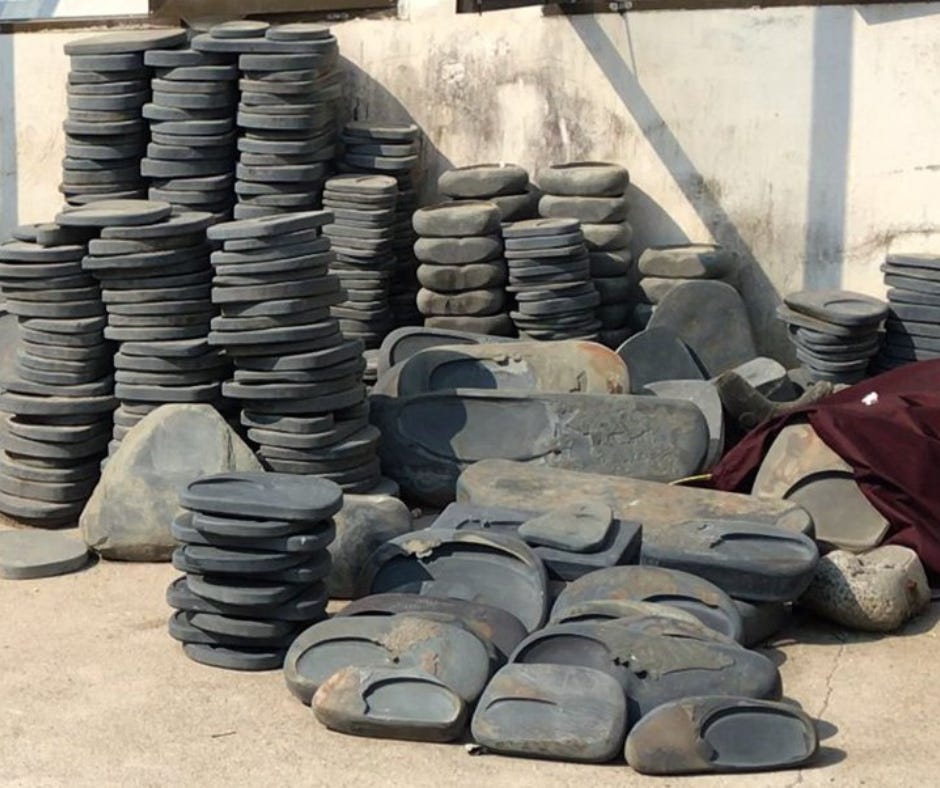
Within Chinese literati culture, objects associated with scholarship were expected to mature alongside their users. Ink stones, often carved from fine grained slate or duan stone, develop a surface gloss called bao guang, or “treasured light.” This sheen results from repeated grinding of ink sticks mixed with water, combined with oils from the hand.
Calligraphy brushes show similar aging. The bamboo handles darken where fingers rest, while the animal hair bristles soften and taper through use. Such wear is interpreted as evidence of disciplined practice, aligning material transformation with intellectual cultivation.
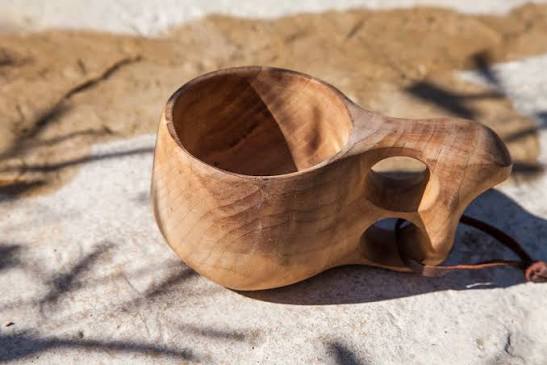
Kuksa, traditional Sámi drinking vessels carved from birch burl, are prized for their dense, swirling grain and durability in harsh northern climates. Initially pale in tone, the wood begins to change with use. Repeated contact with hot liquids, most commonly coffee, allows oils and pigments to penetrate the porous fibers, gradually deepening the cup’s color from light cream to a rich, warm brown.
The shift is not only aesthetic. As the wood absorbs these oils, its resistance to water improves, reducing the risk of cracking or warping over time. Many long-time users also point to a sensory dimension. Coffee drunk from an extensively used kuksa is often said to carry a subtle continuity of flavor, as trace compounds retained in the wood influence each new pour. In this way, the vessel records use not only on its surface but also within the experience it delivers.
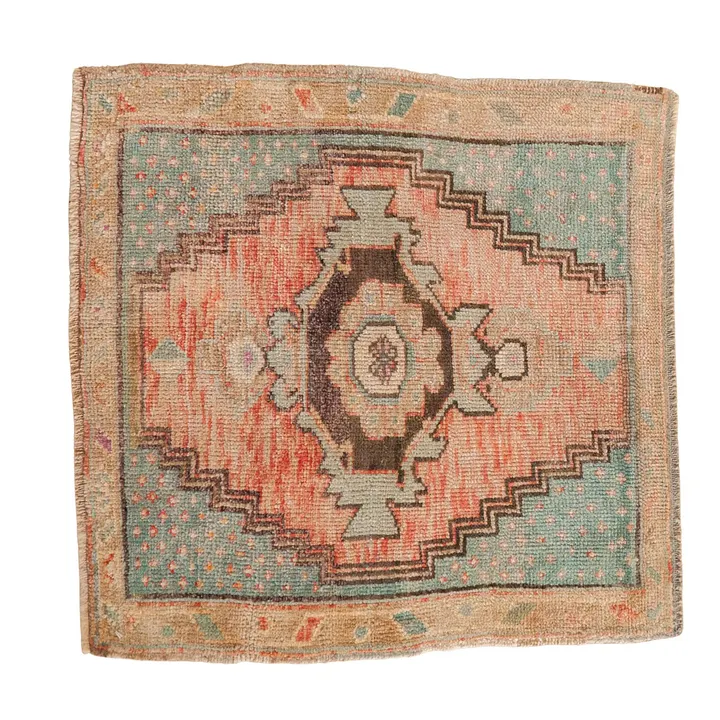
Across the Middle East and North Africa, handwoven carpets are made from hand spun wool colored with plant and mineral dyes, including madder, indigo, and walnut husk. Produced in regions such as Persia, Anatolia, and the Maghreb, these textiles are designed not only for display but for daily domestic use.
As carpets enter lived space, wear begins to register patterns of habitation. Foot traffic compresses the pile along pathways and gathering areas, subtly altering how light moves across the surface. Natural dyes fade at different rates, creating tonal variation often described as abrash, a depth of color that industrial processes struggle to reproduce.
Abrash functions as a form of patina. While variation or “imperfection” reduces value in many material contexts, in antique rugs abrash and natural fading signal age, authenticity, and human involvement. Color shifts reveal small batch dyeing, hand processing, and the passage of time, embedding making and use within the same surface.
Collectors and conservators distinguish between structural wear and aesthetic wear. Damage that compromises the foundation, such as edge fraying or threadbare warps, reduces value. By contrast, softened pile, gentle fading, and chromatic modulation are read as evidence of continuity and care.
Over time, the carpet operates as a spatial archive. Its surface records circulation, pause, and ritual within the home, mapping daily life through material change.
THE APPRECIATION OF PATINA IS NOT ONLY CULTURAL BUT ALSO MATERIAL AND HISTORICAL.
Bronze sculptures, for instance, often develop green or brown patinas through oxidation. In many conservation contexts, this layer is preserved because it protects the metal beneath from further corrosion. What appears as aging is also a stabilizing skin.
Similarly, the darkened surfaces of antique silver result from sulfide formation. While some polishing traditions remove this layer, museums frequently retain portions of it to preserve historical authenticity and tool marks that polishing would erase.
In architecture, stone steps in historic buildings often show concave depressions at their centers. These are formed through centuries of foot traffic. Rather than being repaired to flatness, they are frequently conserved as tactile evidence of collective movement through space.
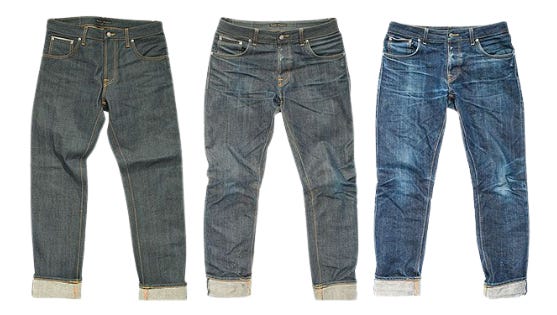
Denim provides a modern industrial example. Raw denim enthusiasts value “fade patterns” that emerge from personal wear habits. Crease lines, whiskering, and honeycombing behind the knees map the wearer’s daily motions. Mass produced pre distressed denim attempts to simulate this, but connoisseurs distinguish between authentic wear and manufactured imitation.
Reframing Durability
To view patina as proof of care rather than decay is to challenge disposability. If aging enhances value, replacement loses urgency. Maintenance becomes meaningful. Repair becomes honorable. The object is not on a countdown to obsolescence, it is on a trajectory of deepening character.
This reframing alters how durability is understood. Durability is commonly measured in years or resistance to failure. Yet endurance without engagement is hollow. An object sealed away from wear may last indefinitely, but it gathers no narrative weight.
Durability, reconsidered through the aesthetics of use, becomes a measure of relational capacity. How well does an object receive touch. How gracefully does it change. How does it register the presence of its user without losing structural integrity. In this view, the most durable objects are those that transform without loss of purpose.
WHEN OBJECTS ARE ALLOWED TO AGE WITH DIGNITY, ATTACHMENT GROWS. PEOPLE KEEP WHAT THEY FEEL CONNECTED TO.
When objects are allowed to age with dignity, attachment grows. People keep what they feel connected to. They repair what reflects their own time and memory. This emotional durability extends material life in ways technical durability alone cannot achieve.
A cracked ceramic bowl repaired with visible mending carries more meaning than an identical replacement. The repair marks commitment. It acknowledges that the relationship between person and object is worth preserving.
Signs of use function as markers of stewardship. They show that something has been handled, maintained, and retained rather than discarded. Wear becomes evidence of responsibility.
An object without wear belongs to no one. The moment it bears traces of use, it becomes specific. It reflects particular habits, environments, and gestures. Its identity is no longer defined solely by manufacture, but by lived experience.
Perfection signals newness. Wear signals relationship. When signs of use are read as markers of value, materials gain narrative, durability gains emotional dimension, and time becomes a collaborator in design.
The most meaningful objects are not those that resist life, but those that absorb it, record it, and continue to function within it.