AI Makes Knowledge Cheap. What Becomes Expensive?
As answers become abundant, value moves toward judgement: knowing what to ask, what to doubt, and which ideas deserve to be made.

For most of human history, knowledge was expensive because access to it was restricted by literacy, geography, education, institutions, and money. The current AI transformation is easier to understand as part of a much longer process in which technology has progressively reduced those barriers.
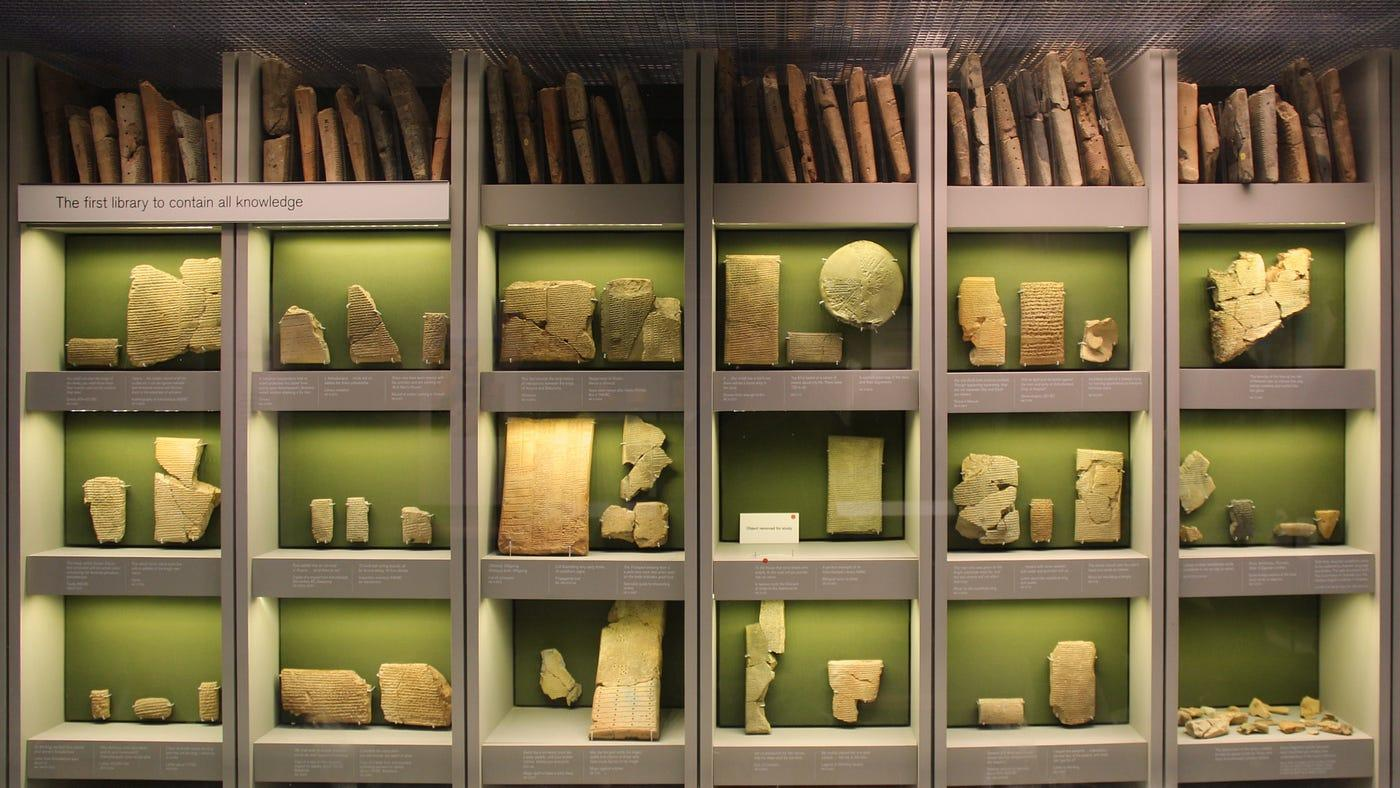
In 1820, only about 10% of people over fifteen could read and write. By 2022, global adult literacy had reached 87%, meaning more than five billion people were literate. Literacy transformed recorded knowledge from something accessible to a minority into something most adults could theoretically use.
Yet literacy did not guarantee access. For much of the twentieth century, specialized knowledge still lived inside universities, libraries, journals, archives and professional networks. The internet changed this at extraordinary speed. By 2025, six billion people, 74% of the global population, were online.
The distribution remains unequal. Internet use reaches 94% in high-income countries but only 23% in low-income countries, while 85% of urban residents are online compared with 58% of rural residents. Access has expanded enormously without becoming universal.
Each technological shift has removed a different barrier. Literacy made recorded knowledge readable. The internet made enormous quantities of it accessible. Search engines made it findable. AI is now reducing the cost of interpreting, reorganizing, and applying it.
That last transition changes the economics of knowledge.
When expertise becomes easier to access

A search engine can locate hundreds of papers about polymer chemistry or textile engineering, but someone still has to understand the terminology, compare methodologies and translate the findings into action. Generative AI can perform part of that work almost instantly.
There is already evidence of this effect in workplaces. A study of 5,179 customer support agents found that access to a generative AI assistant increased productivity by 14% on average. The effect was much larger among novice and lower-skilled workers, whose productivity improved by 34% while experienced workers saw much smaller gains.
This matters because AI does not simply automate tasks. It can redistribute expertise. Knowledge accumulated by stronger performers can increasingly be made available to people who have less experience.
The result is not the disappearance of expertise, but a change in what makes expertise valuable.
If millions of people can access similar explanations, analysis and technical guidance, simply possessing information becomes less differentiating. Value moves toward capabilities that are harder to reproduce: deciding which information matters, recognizing when an answer is wrong, understanding unusual cases and knowing what should happen next.
If answers become cheap, questions become expensive
This creates a paradox. Access to knowledge can increase while the incentive to develop the skills required to evaluate it decreases.
Utrecht University identifies cognitive offloading as one of the risks of AI in education. When systems perform intellectual tasks that learners would otherwise undertake themselves, students may lose opportunities to practise reasoning, reflection and metacognition. The problem becomes harder because incorrect AI responses can still appear fluent and convincing.
Receiving an explanation is therefore not the same as understanding it.
As plausible answers become abundant, critical thinking becomes more important rather than less. The scarce capability shifts toward knowing what to ask, what to doubt, which evidence deserves attention and when an answer needs to be tested against reality.
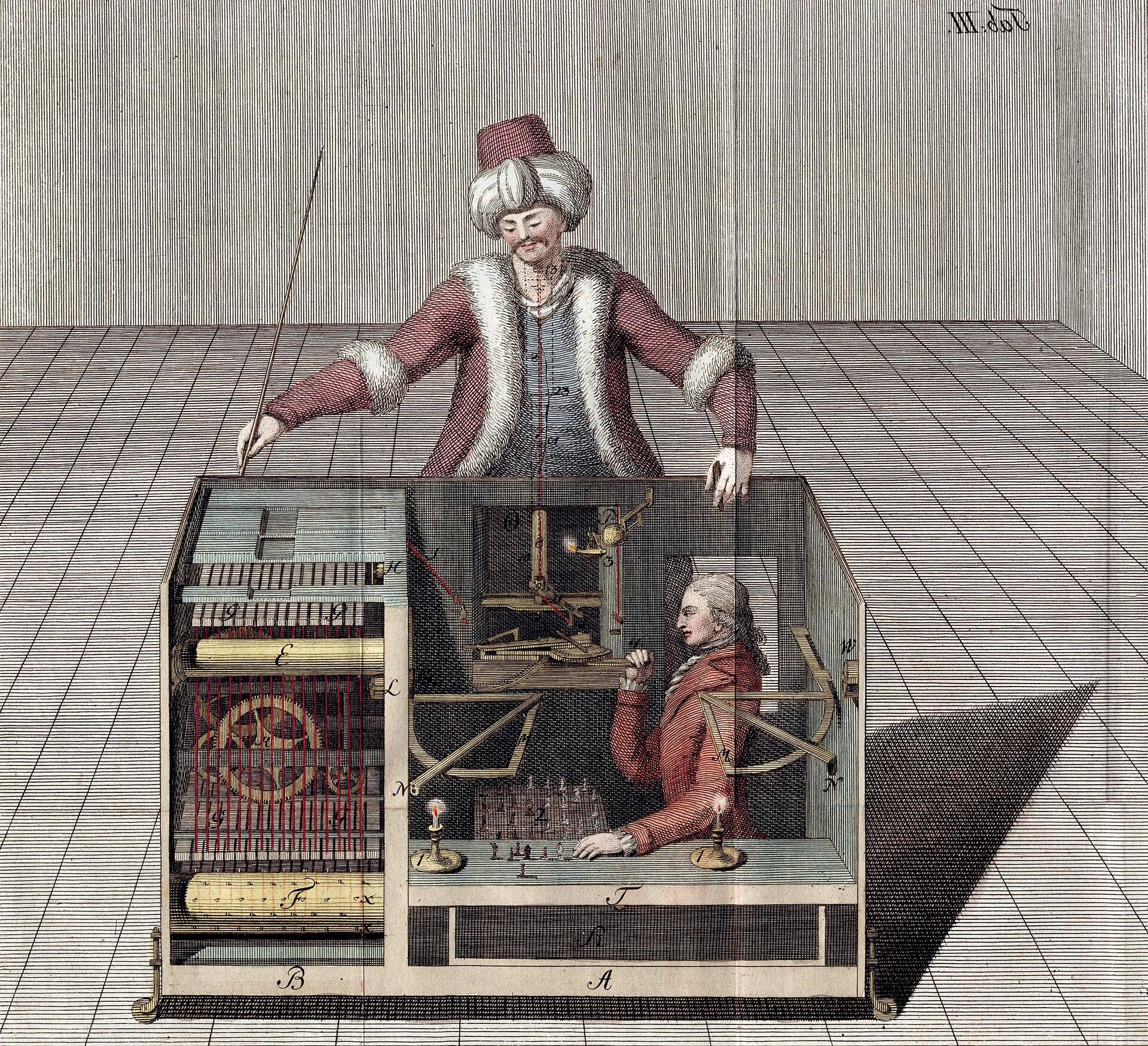
Interestingly, the AI industry itself is beginning to encounter the same problem. The World Economic Forum reports growing demand for specialist human input from doctors, lawyers, scientists and other professionals who can create difficult examples and evaluate model outputs. Public information is abundant; reliable judgement about that information is harder to acquire.
AI was built partly by absorbing recorded human knowledge. Its next constraint may increasingly be knowledge that was never fully recorded.
The knowledge that cannot easily be written down
A factory contains far more knowledge than its manuals describe.
Documents can specify temperature, speed, humidity, pressure and tolerances, but production also depends on thousands of observations accumulated through repeated encounters with materials and machines. An experienced operator may hear that a machine is behaving differently before an instrument identifies a problem. A textile worker may recognize through touch that a fibre needs different conditioning.
This is tacit knowledge. It exists partly in bodies, routines, environments and accumulated experience rather than documents.
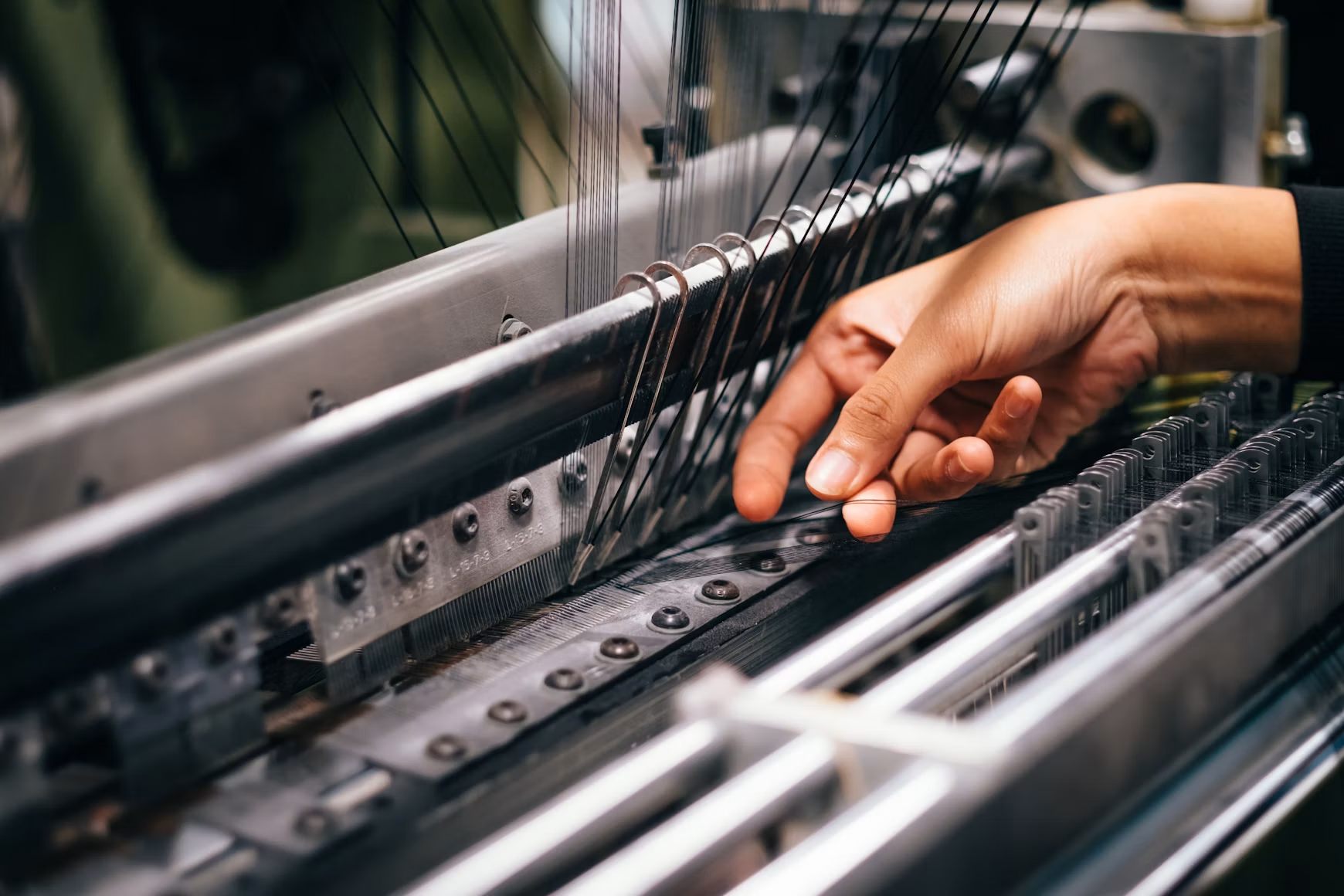
AI is strongest where knowledge has already been converted into language, numbers, images and data. Knowledge embedded in physical practice is harder to reproduce because describing an action is not equivalent to being able to perform it.
As explicit knowledge becomes cheaper to access, experience acquired through repeated contact with the physical world may become relatively more valuable.
Experimentation becomes the bottleneck
The same principle applies to science.
AI can analyse existing research, suggest hypotheses and generate hundreds of possible formulations quickly. But a model cannot know the result of an experiment that has never happened.
Testing remains constrained by laboratories, equipment, materials, technicians, energy and time. If generating hypotheses becomes dramatically cheaper while testing them remains physically constrained, experimentation becomes a larger part of the bottleneck.
Original empirical data consequently gains importance. Failed experiments, production measurements, unexpected material behaviour and years of process adjustments create knowledge that cannot necessarily be obtained by asking the same model the same question.
The distinction is simple: AI can dramatically reduce the cost of thinking about what might work. It does not reduce the cost of discovering whether it actually works by the same amount.

Manufacturing becomes a knowledge advantage
This becomes even clearer when moving from laboratory experiments to industrial production. A process that succeeds with ten grams may fail at one hundred kilograms. A material that performs perfectly in controlled laboratory conditions may behave differently when machinery operates continuously, humidity changes or raw material quality varies.
Scaling therefore generates knowledge.
If AI allows thousands of companies to create technically convincing product concepts while only a much smaller number possess the machinery, operators, certifications, supplier relationships and process knowledge required to manufacture them reliably, scarcity moves from conception toward execution.
The factory is not simply where an idea is produced. It is where information encounters reality.
When production becomes abundant, selection becomes expensive
A similar change is occurring in creative work. Text, imagery, presentations, advertising, music and video can increasingly be produced at enormous scale, but human attention has not expanded at the same rate.
When producing ten images is expensive, production itself represents much of the work. When thousands can be generated almost instantly, the harder question becomes which image deserves to exist.
Abundance increases the value of selection.
Scientists choose which hypothesis deserves an experiment. Designers choose which possibility deserves development. Manufacturers choose which prototype deserves production. Editors decide which information deserves attention.
Creation does not disappear. The expensive part increasingly becomes choosing what should move from possibility into reality.
Trust becomes infrastructure
There is another consequence. The cost of producing convincing information is falling faster than the cost of verifying it.
AI can generate text, images, voices and technical explanations that appear credible without necessarily being accurate. Provenance therefore becomes economically important: who produced something, where a material originated, whether an experiment happened, whether a product was tested and whether a claim can be traced to evidence. Reputation, certification, traceability, peer review and trusted relationships become mechanisms for navigating abundance.
When producing information is cheap, proving that something deserves belief becomes expensive.

Matter remains scarce
There is also a constraint that computational abundance cannot remove: matter.
AI can generate thousands of chair designs without producing a chair. It can propose battery architectures without producing copper, lithium or energy. It can design buildings without creating land, timber, concrete, machines or skilled labour. Digital information can be replicated at extremely low marginal cost. Physical resources cannot.
As the intellectual cost of imagining physical things falls, access to laboratories, workshops, factories, materials, energy and skilled operators may become more strategically important.
From the knowledge economy to the judgement economy
Over the past two centuries, each major information technology has made knowledge easier to reach. Literacy allowed more people to read it, the internet put enormous amounts of information within reach, search helped us find what we needed, and AI is now helping us interpret and use it. But making knowledge abundant does not make everything abundant. It simply changes what is difficult.
The harder part is increasingly deciding what matters. Which questions are worth asking? Which answers can be trusted? Which ideas deserve to be tested, developed or made?
In science, this means producing evidence that does not yet exist. In manufacturing, it means learning how to make something work outside controlled conditions and at scale. In creative work, it means choosing from an almost unlimited number of possibilities. Inside companies, it means building experience through decisions, experiments, failures and years of doing the work.
AI can give more people access to what is already known. It cannot remove the work required to find out what is not known yet, to prove that something is true, or to make an idea work in the physical world.
Perhaps knowledge itself is becoming cheaper. Knowing what to do with it is not.